

Fibrex is a composite window material made only by Andersen, from wood fiber and thermoplastic polymer. It is used in Andersen’s 100 Series, on the exterior of the A-Series, and in every Renewal by Andersen replacement window. This guide explains what Fibrex is made of, how it compares with vinyl, wood and fiberglass, its benefits and drawbacks, and which windows use it.
Understanding Fibrex Windows
Andersen describes Fibrex as wood fiber and thermoplastic polymer fused together, with each cell of wood fiber filled and encased in the polymer. Renewal by Andersen says 40 percent of the raw material by weight is clean, reclaimed wood fiber.
The main claim Andersen makes for Fibrex is strength: it says the material is twice as strong as vinyl, measured by ultimate tensile strength. Andersen also says Fibrex keeps its stability and rigidity in all climates, which helps the window’s seals stay weathertight.
Fibrex Vs Other Window Materials
| Fibrex | Vinyl | Wood | Fiberglass | |
|---|---|---|---|---|
| What it is | Wood fiber and thermoplastic polymer | PVC plastic | Natural wood, often clad outside | Glass fibers in resin |
| Strength | Twice as strong as vinyl, per Andersen | Baseline | Varies by species | Not compared by Andersen |
| Heat and cold | Andersen says it stays stable and rigid in all climates | Expands in heat and contracts in cold, which Andersen says can lead to warping and seal failure | Not compared by Andersen | Not compared by Andersen |
| Rot | Resists rot and decay | Does not rot | Can rot and decay if not maintained | Not compared by Andersen |
| Painting | Never needs painting | Never needs painting | Needs painting or staining | Not compared by Andersen |
| Price, per Andersen | Competitive with vinyl in the 100 Series | Typically the lowest-priced material | Andersen’s wood-core series cost more than the 100 Series | Typically much more expensive |
The vinyl, wood and fiberglass comparisons above come from Andersen and Renewal by Andersen, which make Fibrex. Independent test data comparing the four materials directly is hard to find, so treat the strength and stability claims as the manufacturer’s.
Fibrex Vs Vinyl Windows
This is the comparison Andersen makes most often. It markets the 100 Series as the smart alternative to vinyl: about the same easy maintenance and a competitive price, with twice the strength. Andersen also says Fibrex supports a thicker finish than painted vinyl and holds up in dark colors in hot climates. Renewal by Andersen notes that Fibrex is typically more expensive than vinyl.
Fibrex Vs Wood Windows
Wood needs painting or staining and can rot if it is not maintained. Fibrex resists rot and decay and never needs painting. Andersen’s own wood windows, the 200 and 400 Series, have wood interiors, which Fibrex does not, and they cost more than the 100 Series.
Fibrex Vs Fiberglass Windows
Andersen does not compare Fibrex with fiberglass directly. It says fiberglass windows are typically much more expensive, and suggests comparing them with its A-Series, which uses fiberglass and Fibrex on the exterior. For a fiberglass brand, see the Ultrex fiberglass collections in our Marvin windows review.
The Composition Of Fibrex

Andersen began reclaiming wood fiber left over from making its wood windows and blending it with polymer. Renewal by Andersen puts the reclaimed wood fiber at 40 percent of the raw material by weight, and says Fibrex scrap from manufacturing can be reground and reused.
Earlier versions of this page named a specific wood species and called the polymer PVC. Andersen’s own pages describe it only as wood fiber and thermoplastic polymer, so we do not go further than that.
4 Key Benefits Of Fibrex Windows

Durability And Strength
Andersen says Fibrex is twice as strong as vinyl and cites tests of windows installed for 30 years in a Minnesota home that were still that strong after decades of hot and cold weather.
Energy Efficiency
Andersen says Fibrex has good insulating properties, and that its stability helps the seals stay tight. The 100 Series frames also use internal chambers as thermal breaks. A window’s energy rating depends mostly on the glass package, so compare the NFRC label on the exact window you are quoting.
Aesthetic Appeal
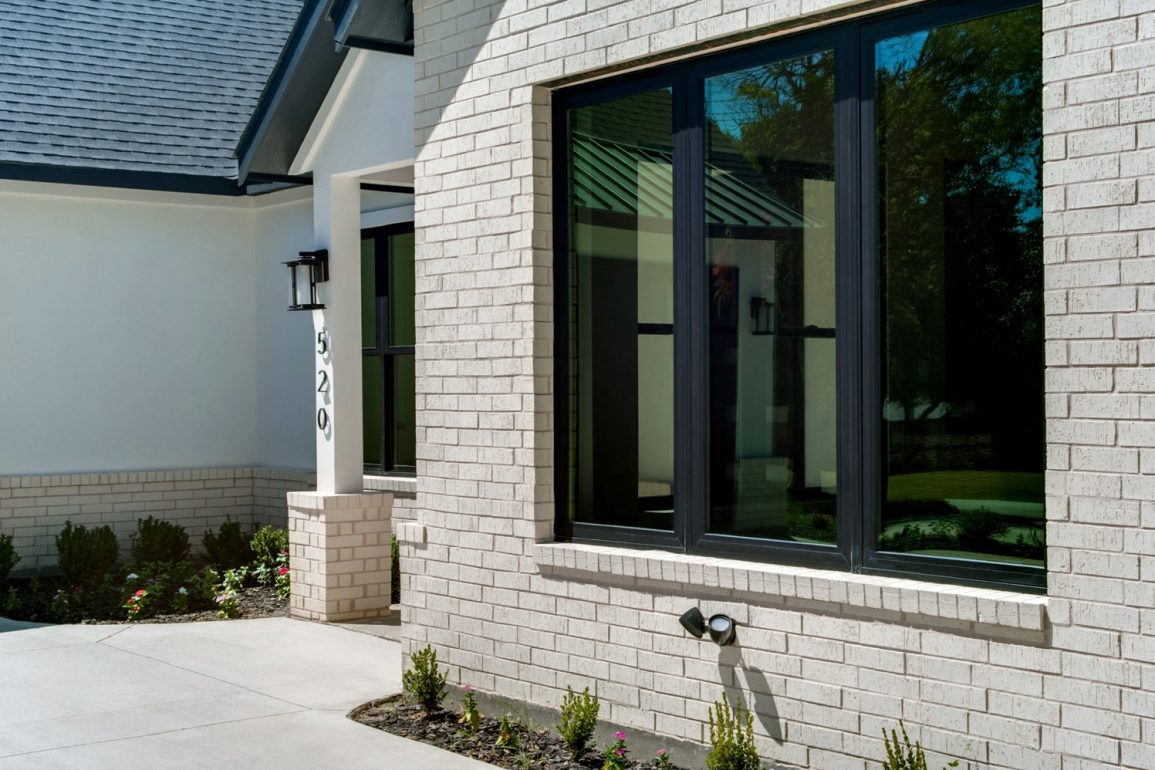
Fibrex has a matte finish and comes in a range of colors, including dark colors. Andersen says strong frames and flat corner welds let it make narrow frames with more glass.
Low Maintenance
Andersen calls Fibrex the lowest-maintenance material it uses. It says the exterior won’t fade, flake, blister or peel and never needs painting, subject to the warranty.
Potential Drawbacks Of Fibrex
Cost
Fibrex costs more than most vinyl windows. Renewal by Andersen windows cost more again than the 100 Series, because they are custom-made and include installation.
One Manufacturer
Fibrex is made only by Andersen. Shopping on price means comparing Andersen against other brands’ vinyl or fiberglass, not Fibrex against Fibrex.
Limited Interior Options
The 100 Series has a Fibrex interior, not wood. Dark interior colors come only with a matching exterior color.
Manufacturer Claims
Most published performance data for Fibrex comes from Andersen itself.
Andersen Fibrex Window Series

| Product | Where Fibrex Is Used | How It Is Sold |
|---|---|---|
| Andersen 100 Series | Inside and out, on windows and gliding patio doors | Dealers, contractors and The Home Depot |
| Andersen A-Series | Exterior cladding, with fiberglass, plus grilles and brick mould | Dealers and contractors |
| Renewal by Andersen | Acclaim replacement windows | Sold and installed direct by Renewal by Andersen |
100 Series
The 100 Series is Andersen’s budget-friendly Fibrex line. It comes in double hung, single hung, casement, awning, gliding, picture and specialty shapes. See our Andersen windows review for the full series comparison.
A-Series
The A-Series is Andersen’s architectural line, with a wood interior and an exterior of fiberglass and Fibrex.
Renewal By Andersen
All Renewal by Andersen windows are made of Fibrex. Renewal by Andersen measures, builds and installs them itself, and its replacement windows made with Fibrex are sold only through Renewal by Andersen.
Fibrex Warranty
| Covered Item | Andersen 100 Series | Renewal By Andersen |
|---|---|---|
| Glass | 20 years | 20 years |
| Fibrex frame or parts | 10 years on non-glass components | 20 years on Fibrex material |
| Finish | 10 years | Covered; see the document |
| Hardware and other parts | 10 years | 10 years |
| Installation | Not covered by Andersen | 2 years |
| Transferable | Yes | Yes |
Check the warranty document for the exact product and purchase date before you buy.
The Installation Process
Fibrex windows install like other replacement windows. The old window is removed, the opening is cleaned and checked, and the new window is set, shimmed level and plumb, fastened, flashed and sealed, then tested for smooth operation. With the 100 Series, your contractor or dealer installs. With Renewal by Andersen, its own installers do the work and the installation carries the 2-year warranty above. Our window replacement cost guide covers installed prices.
Fibrex Windows And The Environment
Reclaimed wood fiber makes up 40 percent of Fibrex by weight, using material that would otherwise be waste from wood window production. Manufacturing scrap can also be reground and reused.
Frequently Asked Questions
What Is Fibrex Made Of?
Wood fiber and thermoplastic polymer fused together. Reclaimed wood fiber is 40 percent of it by weight.
Who Makes Fibrex Windows?
Andersen Corporation. Fibrex is used in the Andersen 100 Series, on the A-Series exterior, and in Renewal by Andersen windows.
Is Fibrex Better Than Vinyl?
Andersen says Fibrex is twice as strong and more stable in heat and cold. Fibrex windows usually cost more than vinyl.
Can I Buy Fibrex Windows At The Home Depot?
Yes, the Andersen 100 Series. Renewal by Andersen windows are sold only through Renewal by Andersen.
Do Fibrex Windows Need Painting?
No. Andersen says the finish will not fade, flake, blister or peel and never needs painting, subject to the warranty.